Is a Smart Speaker Actually Useful in 2026?
Past the novelty phase: what households still use smart speakers for daily, what nobody uses twice, and the privacy settings worth changing on day one.
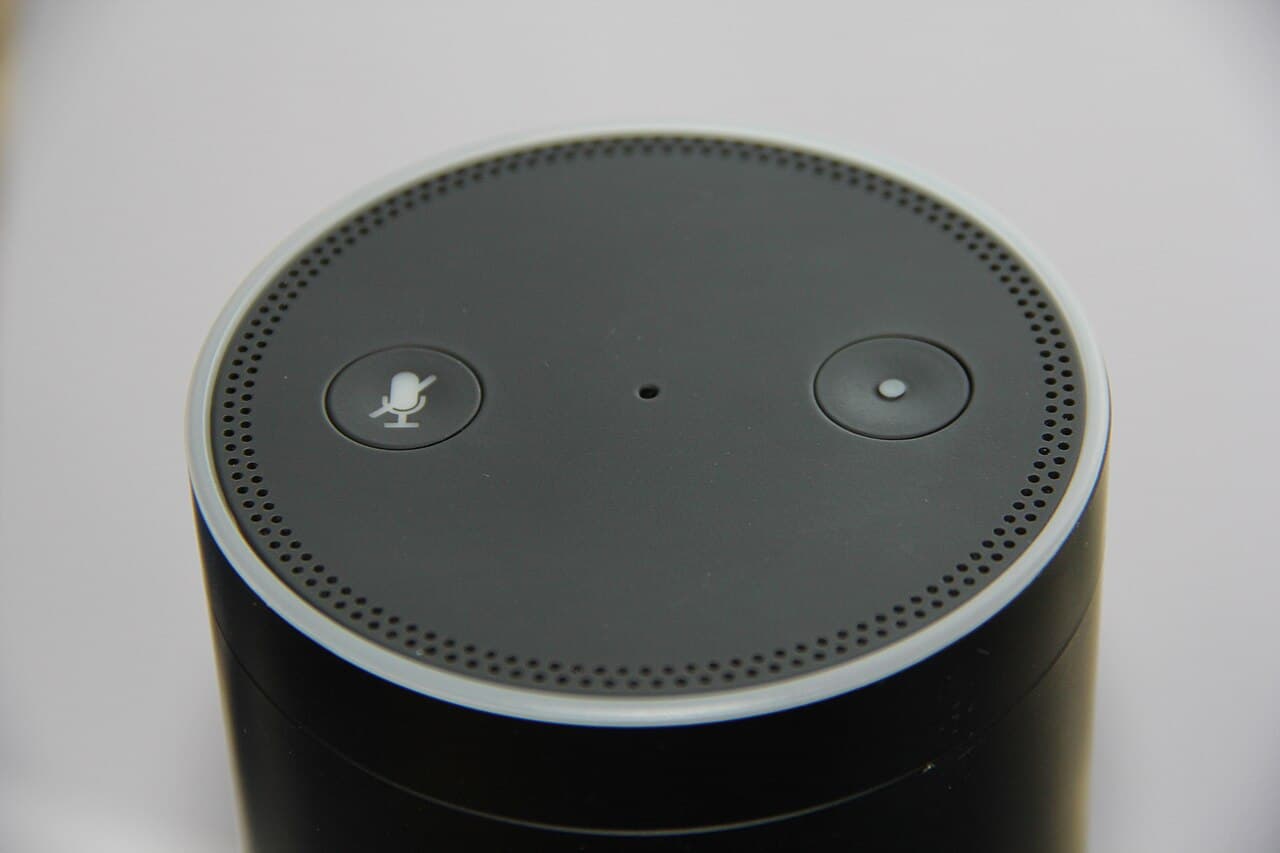
Smart speakers are a decade past novelty, which makes the usage data honest: households that keep them settle into a short list of daily functions — music, timers, weather, lights, and intercom — and ignore the long tail of party-trick skills. Judged against that reality, the question isn't whether the assistant is clever; it's whether those five jobs are worth a speaker's counter space and a microphone in the room.
BytesCompass may earn a commission when you sign up or buy through links on this page. This never affects the price you pay, and it does not influence which tools we recommend. Read our full affiliate disclosure.
The five jobs that survive the novelty phase
Kitchen timers while cooking, music by voice, weather on the way out, controlling a few lights, and room-to-room intercom in family homes. These sound trivial, and they're exactly what sticks — hands-busy moments where pulling out a phone is the friction. If none of those moments exist in your day, the speaker will gather dust.
Sound quality is now a real differentiator
Entry pucks are fine for timers and podcasts but thin for music. If music is the main job, the larger speaker tiers genuinely earn their price — or pick a model that pairs in stereo. Think about which room and which job before defaulting to the cheapest unit.
Spend ten minutes on privacy settings
Every major platform now offers meaningful controls: auto-deletion of voice recordings, opting out of human review, and a physical mic-mute switch. Set the first two on day one and know where the third is. If a guest-facing room feels wrong for an always-listening mic, that instinct is a valid product decision.
- Buy for the five sticky jobs — hands-busy moments — not the skill catalog
- Size the speaker to the room: pucks for utility, larger tiers for music
- Enable recording auto-delete and opt out of human review on day one
- Check ecosystem fit with your existing phone and smart home gear first
Featured pick
Mid-Size Smart Speaker (template — replace with your tested product)
Illustrative example of the room-filling utility-plus-music tier
Template placeholder for the mid-size tier: room-filling sound for kitchens and living rooms, full assistant utility, and a physical mic switch.
Pros
- Template: genuinely good music playback for the size
- Template: reliable far-field voice pickup over kitchen noise
- Template: physical microphone kill switch
Cons
- Template: locked into one assistant ecosystem
- Template: multi-room features work best with same-brand speakers
$80–$130 (template — update with real price)
Price checked 2026-10-15
We may earn a commission if you sign up or buy through this link, at no extra cost to you.
Final verdict
Useful daily if your home has hands-busy moments and a few smart devices; a dust collector if you'd only use it as a speaker you must talk to.
Buy if
- Kitchen timers, voice music, and light control match real moments in your day
- You're starting a smart home and want its control hub
Skip if
- You'd only play music — a plain Bluetooth speaker sounds better per dollar
- An always-on microphone doesn't pass your household's comfort test
Alternatives to consider
- A smart display for kitchens (see our speaker vs. display comparison), or a Bluetooth speaker if voice control isn't the point
Tomás Rivera
Staff Writer, Smart Home & Mobile
Tomás covers smartphones, smart home devices, and accessories, with a focus on ecosystem lock-in, battery life claims, and privacy trade-offs.
Reviewed against our editorial standards