Is a Mechanical Keyboard Worth It for Work?
Typists swear by them, open offices fear them. What a mechanical board changes about eight hours of typing — and what's just hobby appeal.

Mechanical keyboards have a devoted hobby scene, which makes it hard to see the practical question underneath: for a person who types all day, does a mechanical board beat the laptop keyboard or the slim membrane board that came with the desk? The honest answer is yes for comfort and durability — with caveats about noise, desk space, and a rabbit hole you can choose not to enter.
BytesCompass may earn a commission when you sign up or buy through links on this page. This never affects the price you pay, and it does not influence which tools we recommend. Read our full affiliate disclosure.
The comfort case is real and physical
Mechanical switches actuate before bottoming out, letting practiced typists stop pressing early and type with less finger fatigue over a day. Full-travel keys and a rigid case also keep the typing feel consistent for years — membrane boards get mushier as they age; mechanical switches are rated for decades of daily use.
Switch choice matters more than brand
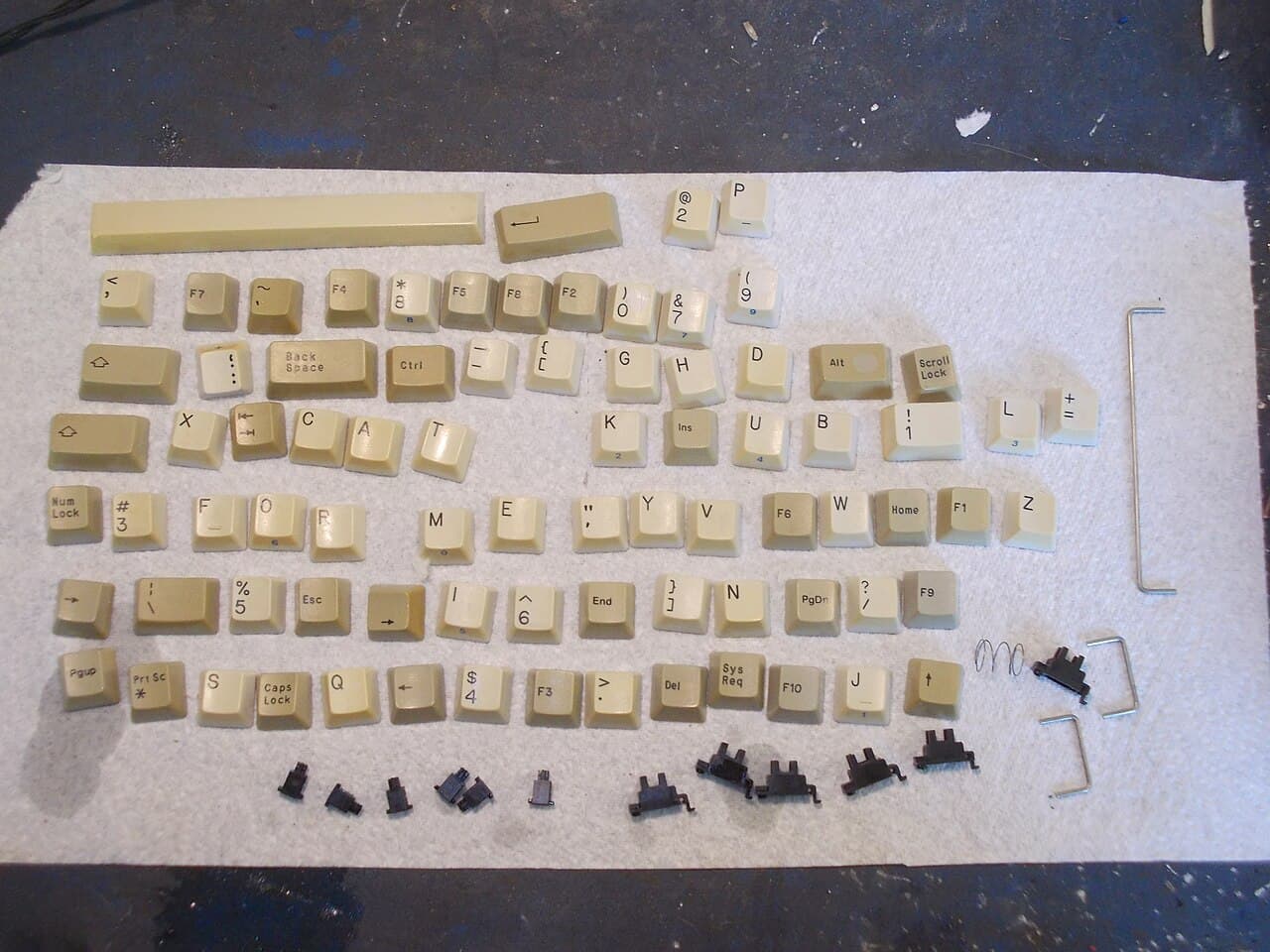
Switches come in three broad families: linear (smooth), tactile (a bump at actuation), and clicky (a bump and a sound). For shared spaces, quiet linear or tactile switches are the responsible choice — clicky switches are a roommate dispute waiting to happen. If possible, try a switch tester before committing a whole board.
Where the money stops helping
Past the mid range, you're paying for enthusiast features — custom keycap materials, swappable switches, aluminum cases — that are a hobby, not a productivity gain. A well-built mid-range board with the right switch delivers the entire practical benefit.
- Choose tactile or quiet linear switches for shared spaces
- A wrist rest and proper desk height matter as much as the board
- Mid-range boards capture the full practical benefit; beyond that is hobby
- Check for your layout's availability (size, language) before falling for a model
Featured pick
Mechanical Keyboard — Mid-Range Office Pick (template — replace with your tested product)
Illustrative example of the practical office mechanical board
Template placeholder for a quiet tactile mid-range board: consistent typing feel, office-acceptable noise, and build quality that outlasts several membrane boards.
Pros
- Template: quiet tactile switches office-tested
- Template: solid case with no flex
- Template: wireless with multi-device switching
Cons
- Template: heavier and taller than slim boards — wrist rest advised
- Template: function-layer learning curve on compact layouts
$80–$150 (template — update with real price)
Price checked 2026-10-15
We may earn a commission if you sign up or buy through this link, at no extra cost to you.
Final verdict
For all-day typists, a quiet mid-range mechanical board is a durable comfort upgrade; casual typists won't feel enough difference to justify the desk space.
Buy if
- You type several hours daily and feel fatigue on a slim board
- You want a keyboard that still feels the same in five years
Skip if
- You type an hour a day — the laptop keyboard is genuinely fine
- Your workspace can't absorb any extra key noise at all
Alternatives to consider
- A low-profile mechanical board — a middle ground that keeps slim ergonomics with better switches
Tomás Rivera
Staff Writer, Smart Home & Mobile
Tomás covers smartphones, smart home devices, and accessories, with a focus on ecosystem lock-in, battery life claims, and privacy trade-offs.
Reviewed against our editorial standards